

Male Enhancement Products: Audience‑Specific Safety, Use, and Medical Considerations
February 8, 2026 2026-02-08 9:55Male Enhancement Products: Audience‑Specific Safety, Use, and Medical Considerations
Male Enhancement Products: Audience‑Specific Safety, Use, and Medical Considerations
 douartech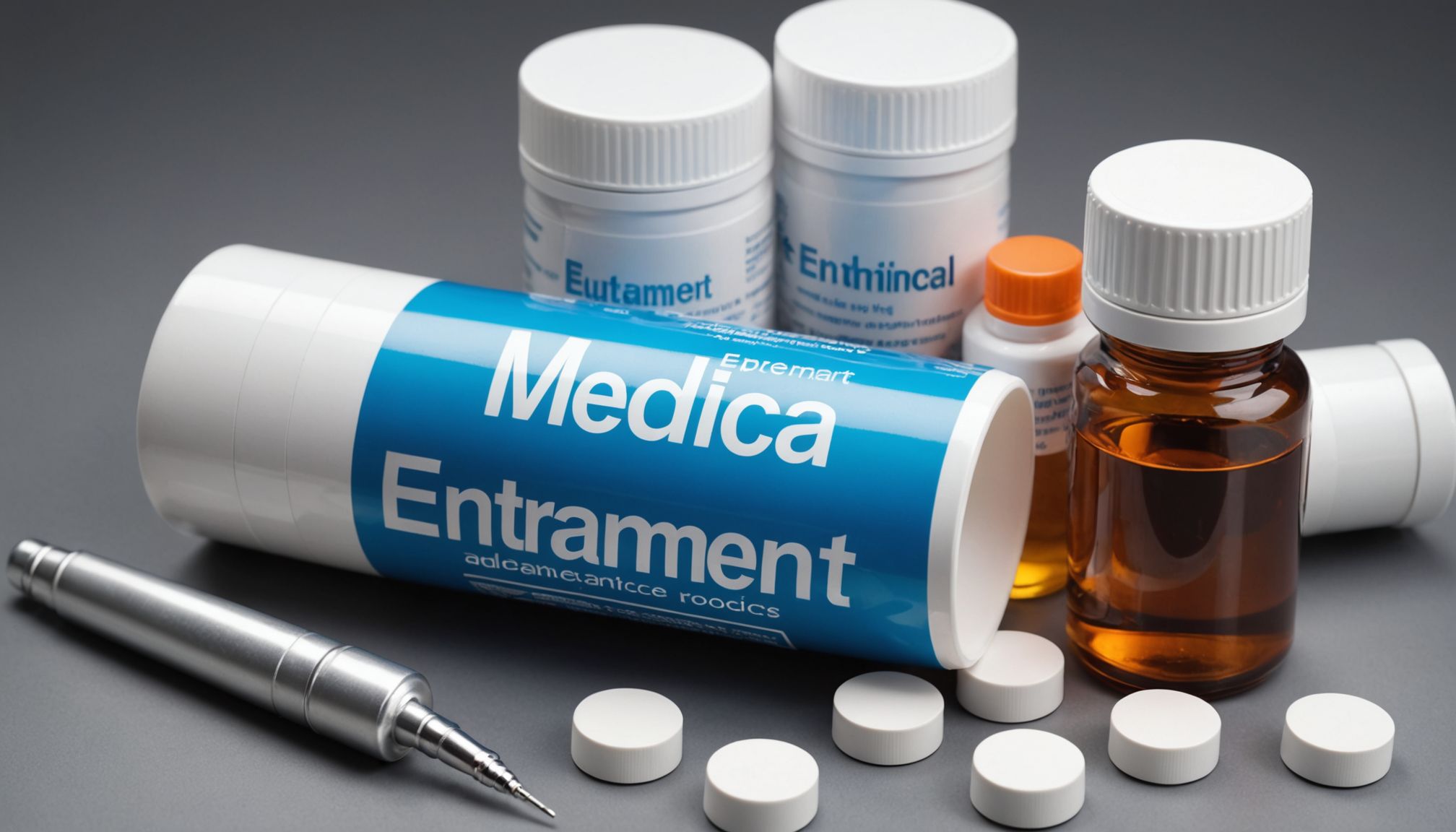
Male enhancement products — educational overview with medical disclaimer
Disclaimer: This content is for educational purposes only and does not replace professional medical advice. Male enhancement products are not universally safe or effective. Always consult a licensed healthcare professional before starting or stopping any supplement, device, or medication.
Male enhancement products is an umbrella term covering supplements, topical agents, devices, and prescription medicines marketed to improve erection quality, libido, stamina, or perceived size. Unlike standard guides that treat all users the same, this article segments information by audience to reflect real‑world differences in physiology, risk, and expectations.
Who it is especially relevant for
This guide is especially relevant for adult men experiencing erectile difficulties, reduced sexual confidence, age‑related hormonal changes, or curiosity about non‑prescription solutions. It is also important for partners and caregivers who help evaluate safety, and for people with existing health conditions where misuse could cause harm.
Sections by audience segment
Adults
Common features: Stress‑related erectile dysfunction (ED), performance anxiety, lifestyle factors (sleep deprivation, smoking, alcohol), and curiosity about “natural” supplements.
Risks: Over‑the‑counter products may contain undeclared pharmaceutical ingredients (e.g., PDE‑5 inhibitors), stimulants, or hormone‑active substances. Interactions with alcohol or recreational drugs are common.
When to see a doctor: If erection problems persist longer than 3 months, occur suddenly, or are accompanied by pain, curvature, or loss of morning erections.
General safety measures: Avoid combining multiple enhancement products; verify manufacturer transparency; prioritize sleep, exercise, and mental health before supplementation.
Elderly
Common features: Age‑related vascular changes, lower testosterone levels, and higher prevalence of chronic diseases.
Risks: Increased sensitivity to blood‑pressure changes, heart rhythm disturbances, and interactions with medications such as nitrates, alpha‑blockers, and anticoagulants.
When to see a doctor: Before using any enhancement product, especially if there is a history of heart disease, stroke, or prostate issues.
General safety measures: Prefer medical evaluation for ED; avoid “rapid effect” claims; monitor blood pressure and heart symptoms.
Athletes & fitness enthusiasts (replacement segment)
Common features: Interest in testosterone boosters, nitric‑oxide enhancers, or pre‑workout style formulas for sexual performance.
Risks: Some products overlap with banned substances, stimulants, or hormones that may disrupt endocrine balance or violate sports regulations.
When to see a doctor: If experiencing mood swings, acne, gynecomastia, or unexplained fatigue.
General safety measures: Avoid hormone‑modulating supplements without testing; check third‑party certifications; separate sexual health goals from athletic supplementation.
Children
Relevance: Male enhancement products are not appropriate for children or adolescents.
Risks: Hormonal disruption during puberty, psychological harm, and exposure to stimulants or hidden drugs.
When to see a doctor: If there are concerns about delayed puberty, genital development, or body image anxiety.
General safety measures: Education, reassurance, and professional pediatric evaluation—never supplementation.
People with chronic conditions
Common features: Diabetes, hypertension, obesity, depression, kidney or liver disease—conditions closely linked to sexual dysfunction.
Risks: Enhancement products may worsen underlying disease, alter glucose or blood pressure control, or interact with antidepressants and cardiovascular drugs.
When to see a doctor: Always—ED can be an early marker of cardiovascular disease or poorly controlled diabetes.
General safety measures: Treat the underlying condition first; use physician‑guided therapies; report all supplements during consultations.
Trigger (stress, illness, aging)
        ↓
Physiological reaction (reduced blood flow / hormonal shift)
        ↓
Symptoms (weak erection, low libido, fatigue)
        ↓
Action (medical assessment → lifestyle changes → evidence‑based treatment)
| Segment | Specific risks | What to clarify with a doctor |
|---|---|---|
| Adults | Hidden drugs, stimulant overload | Root cause of ED, safe alternatives |
| Elderly | Cardiovascular events, drug interactions | Heart health, medication compatibility |
| Athletes | Hormonal imbalance, banned substances | Endocrine status, supplement safety |
| Children | Puberty disruption | Normal development benchmarks |
| Chronic conditions | Disease worsening, poor control | Integrated treatment plan |
Mistakes and dangerous online advice
Common mistakes include trusting anonymous testimonials, assuming “herbal” equals safe, doubling doses for faster results, and avoiding medical care due to embarrassment. Another risk is buying products from unregulated marketplaces where labeling may be inaccurate.
For broader wellness context, see our related materials in Italian health categories, an overview of general men’s health topics, practical notes in uncategorized medical articles, and region‑specific guidance under Netherlands health sections.
Sources
- U.S. Food & Drug Administration (FDA) — Tainted Sexual Enhancement Products: https://www.fda.gov/drugs/medication-health-fraud/tainted-sexual-enhancement-products
- European Medicines Agency (EMA) — Public health and medicines safety: https://www.ema.europa.eu
- Mayo Clinic — Erectile dysfunction overview: https://www.mayoclinic.org/diseases-conditions/erectile-dysfunction
- National Institute on Aging — Sexuality in later life: https://www.nia.nih.gov
