
Cultural perceptions of gambling How beliefs shape the experience
April 20, 2026 2026-04-20 11:57Cultural perceptions of gambling How beliefs shape the experience
Cultural perceptions of gambling How beliefs shape the experience
 douartech
 Cultural perceptions of gambling How beliefs shape the experience
Understanding Cultural Beliefs Around Gambling
Cultural beliefs significantly influence how gambling is perceived and experienced across different societies. In some cultures, gambling is celebrated as a form of entertainment, symbolizing luck and fortune. In others, it may be frowned upon or viewed as morally questionable, reflecting deep-rooted values and social norms. For instance, in many Western societies, gambling can be seen as an acceptable leisure activity, while in certain Asian cultures, traditional views may consider it a taboo, linking it to a lack of self-control. Additionally, those interested in online platforms, like https://spinrider-uk.com, find diverse options available at their fingertips.

The impact of cultural context on gambling is illustrated in various traditional games. For example, in countries like Japan, Pachinko combines elements of gaming and gambling, reflecting a unique cultural approach to leisure activities. This indicates that cultural nuances not only shape the legality and acceptance of gambling but also influence how individuals engage with these activities, further highlighting the complexity of gambling as a cultural phenomenon.
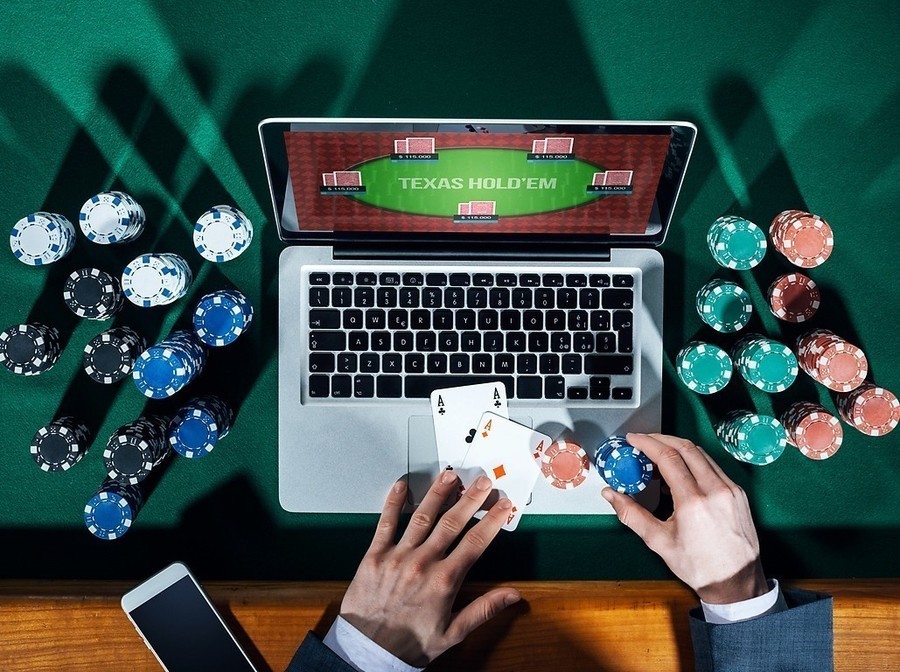
Moreover, the perception of gambling can evolve with globalization and technological advancement. The rise of online gambling platforms allows cultural exchanges to occur, with people adopting diverse gambling practices. This shift indicates that as cultures interact, perceptions of gambling may become more fluid, creating a blended experience that may encompass aspects of both traditional beliefs and modern practices.
The Role of Religion in Shaping Gambling Attitudes
Religion plays a pivotal role in shaping cultural perceptions of gambling. Many religious teachings have specific stances on the morality of gambling, which can significantly influence followers’ attitudes. For example, in Christianity, gambling is often viewed as a vice, associated with greed and a lack of faith in divine providence. Conversely, some interpretations of Buddhism view gambling as a distraction that leads to suffering, guiding practitioners towards more meaningful pursuits.
The different religious perspectives create varied experiences for gamblers within those communities. In Islamic cultures, gambling is strictly forbidden, leading to a culture that promotes other forms of entertainment and leisure. This prohibition affects how individuals perceive risk, luck, and fortune, often replacing gambling with alternative games or activities that align better with their faith’s teachings.
Furthermore, the interpretation of religious texts and teachings can lead to internal conflicts within individuals. Those who might want to partake in gambling for recreational purposes may struggle with guilt or shame if it contradicts their religious upbringing. These complex interactions between religion and gambling highlight how deeply personal beliefs can shape not only attitudes but also the overall gambling experience.
Legal Regulations and Their Cultural Impacts
Legal regulations surrounding gambling significantly reflect and influence cultural attitudes. In jurisdictions where gambling is legalized and regulated, such as in parts of Europe and the United States, it is often treated as a legitimate form of entertainment. The regulatory framework usually includes age restrictions, licensing for operators, and mechanisms for ensuring fair play, which can foster a culture of responsible gambling.
In contrast, countries with strict gambling laws may create an environment where gambling is pushed underground. This not only affects how people engage with gambling but also how they perceive its risks and rewards. The legal landscape can create a dichotomy where gambling is either a socially accepted practice or a secretive activity laden with stigma and potential criminal consequences. These distinctions shape individual and collective identities regarding gambling.
Moreover, the evolution of online gambling has prompted many regions to reconsider their regulations. As more countries legalize online platforms, the cultural perception of gambling can shift, leading to increased acceptance. These regulatory changes can empower individuals to engage with gambling more openly, thus transforming the cultural narrative surrounding it and creating new social norms around betting and gaming practices.
The Psychological Impact of Cultural Beliefs on Gamblers
Cultural perceptions of gambling not only shape legal frameworks but also significantly affect the psychological experiences of gamblers. The beliefs ingrained in one’s culture can determine how individuals feel about their gambling activities, influencing their enjoyment and emotional responses. A culture that celebrates luck may foster a more positive outlook, encouraging individuals to embrace risk-taking as part of the thrill of gambling.
In contrast, negative cultural perceptions may lead to feelings of guilt, shame, or anxiety among gamblers. For instance, individuals from cultures where gambling is stigmatized may experience a conflict between their desire to gamble and societal disapproval. This conflict can result in stress and affect overall well-being, reinforcing negative stereotypes about gambling and leading to potential gambling-related issues.
Furthermore, the psychological effects can also extend beyond the individual. Families and communities influenced by cultural beliefs surrounding gambling may experience collective impacts. Those from cultures that view gambling positively may support each other in gambling activities, fostering a sense of community. In contrast, communities that perceive gambling negatively may create environments where individuals feel isolated or judged, further complicating the emotional landscape surrounding gambling behaviors.
Spin Rider: A Contemporary Gambling Experience
Spin Rider exemplifies how modern gambling platforms can adapt to various cultural perceptions and preferences. Designed specifically for UK players, it offers a diverse range of games, including traditional slots and live dealer experiences. This variety allows players to engage with gambling in a way that aligns with their personal beliefs and cultural backgrounds. The platform ensures a secure environment, licensed by the UK Gambling Commission, reinforcing trust among users.
Moreover, Spin Rider’s promotional offerings, such as welcome bonuses and free spins, cater to a competitive gaming culture that thrives on reward. This approach encourages responsible gambling while enhancing the overall user experience. The presence of multiple payment options, including PayPal, facilitates quick transactions, reflecting the increasing integration of technology in gambling, which can appeal to tech-savvy players.
In addition, Spin Rider’s commitment to customer support and loyalty programs further enhances its reputation as a modern gambling destination. By prioritizing player engagement and satisfaction, Spin Rider effectively navigates cultural perceptions, creating an inclusive environment where players can enjoy their gaming experiences while respecting diverse beliefs about gambling.
